A Strategic Imperative for 2026 and Beyond
Canada is rapidly evolving into a digitally resilient, AI-enabled economy, but with that growth comes increased exposure to cyber threats, privacy risks, and AI governance challenges. Organizations operating in or with Canada must now navigate a multi-layered regulatory and risk landscape spanning cybersecurity, data protection, and responsible AI.
For forward-looking enterprises, these are no longer siloed domains—they are interdependent pillars of trust, compliance, and competitive advantage.
Cybersecurity in Canada: From Defense to Resilience
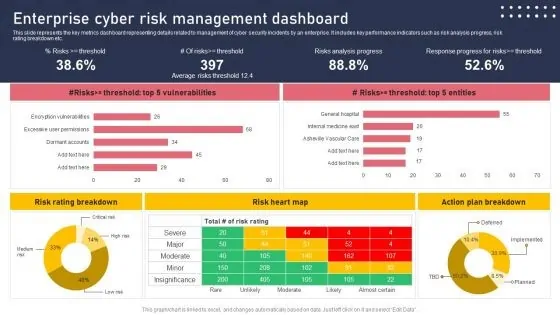
Cybersecurity in Canada is shifting from reactive defense to proactive cyber resilience. With increasing ransomware attacks, supply chain vulnerabilities, and nation-state threats, organizations must align with national guidance from the Canadian Centre for Cyber Security.
Key Focus Areas:
- Zero Trust Architecture (ZTA) adoption
- Multi-Factor Authentication (MFA) enforcement across systems
- Continuous monitoring via Security Operations Centers (SOC)
- Third-party and supply chain risk management

Regulatory & Standards Alignment:
- Personal Information Protection and Electronic Documents Act (PIPEDA – breach implications)
- ISO/IEC 27001 (ISMS framework)
- NIST Cybersecurity Framework

Strategic Insight:
Cybersecurity is now a board-level risk, not just an IT function. Canadian regulators increasingly expect demonstrable resilience—not just compliance on paper.
Privacy in Canada: Strengthening Trust Through Compliance
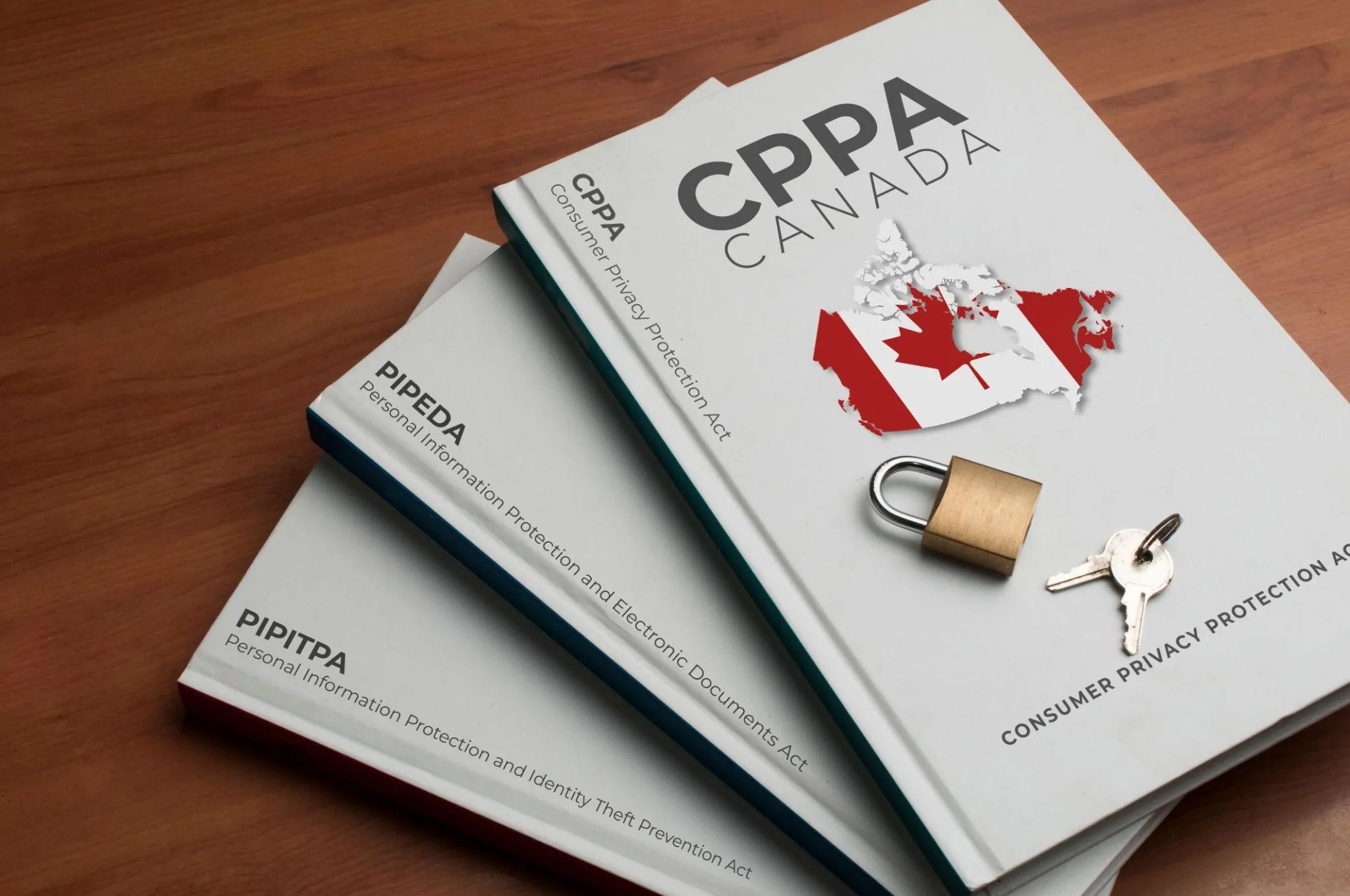
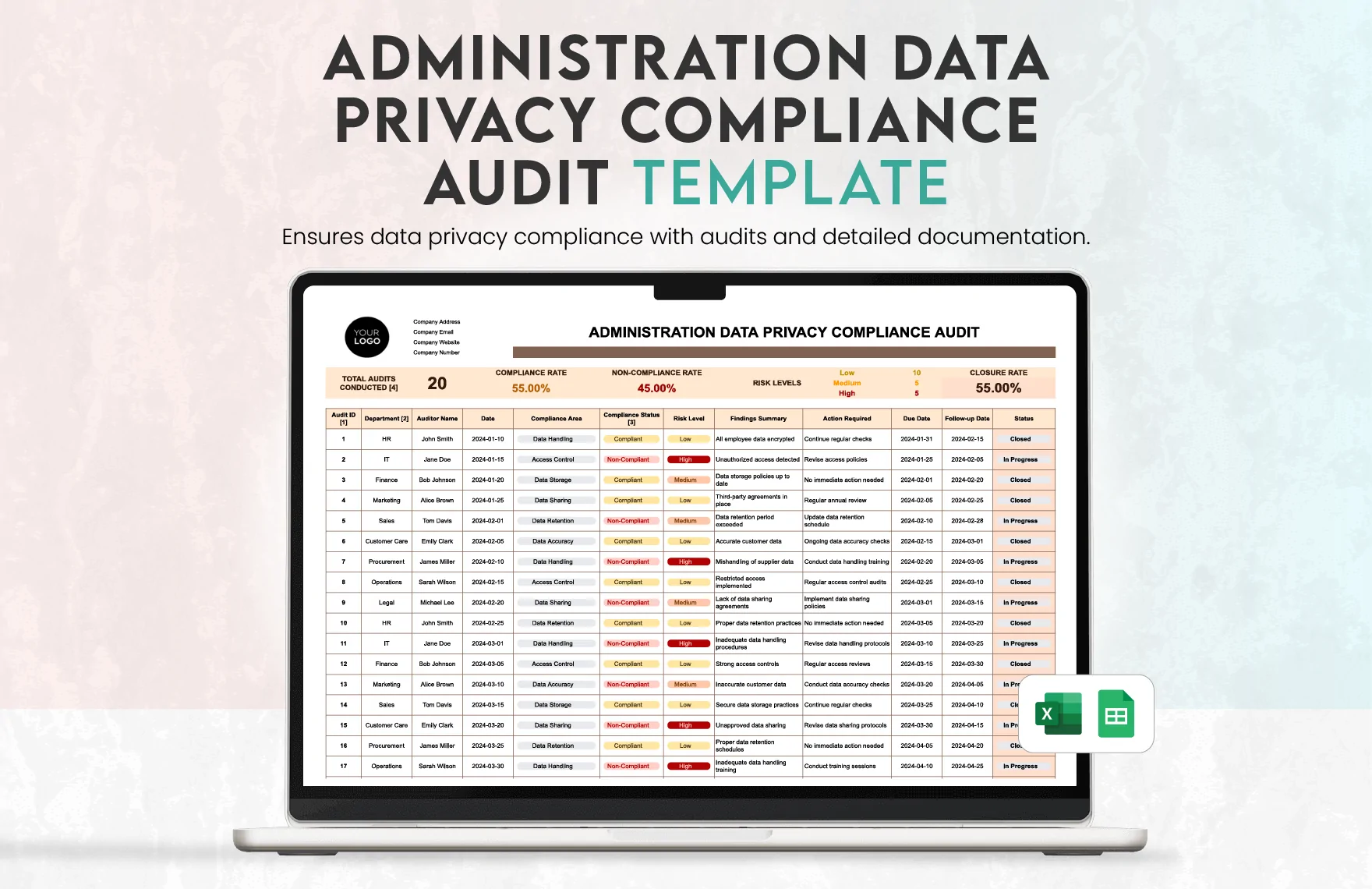
Privacy regulation in Canada is anchored in PIPEDA, but the landscape is undergoing transformation with proposed reforms like the Consumer Privacy Protection Act under Bill C-27.
Core Privacy Principles:
- Consent-driven data collection and use
- Limitation to legitimate business purposes
- Transparency in data processing practices
- Mandatory breach notification and reporting

Emerging Expectations:
- Enhanced data subject rights (access, deletion, portability)
- Stronger enforcement and financial penalties
- Increased scrutiny on cross-border data transfers
Strategic Insight:
Privacy is no longer just compliance—it is a customer trust differentiator. Organizations that operationalize privacy-by-design gain a measurable competitive edge.
AI Safety in Canada: Governing Responsible Innovation
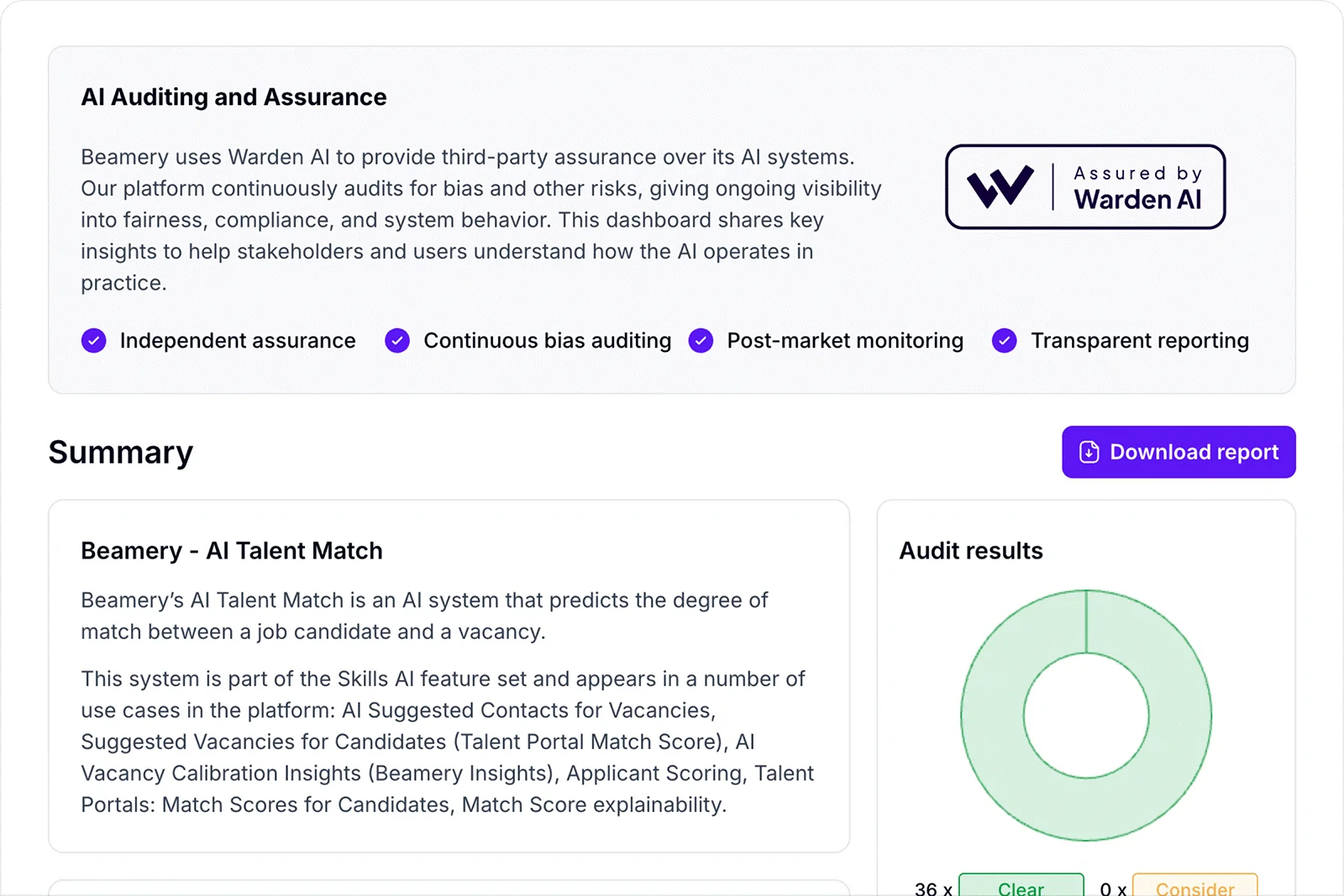
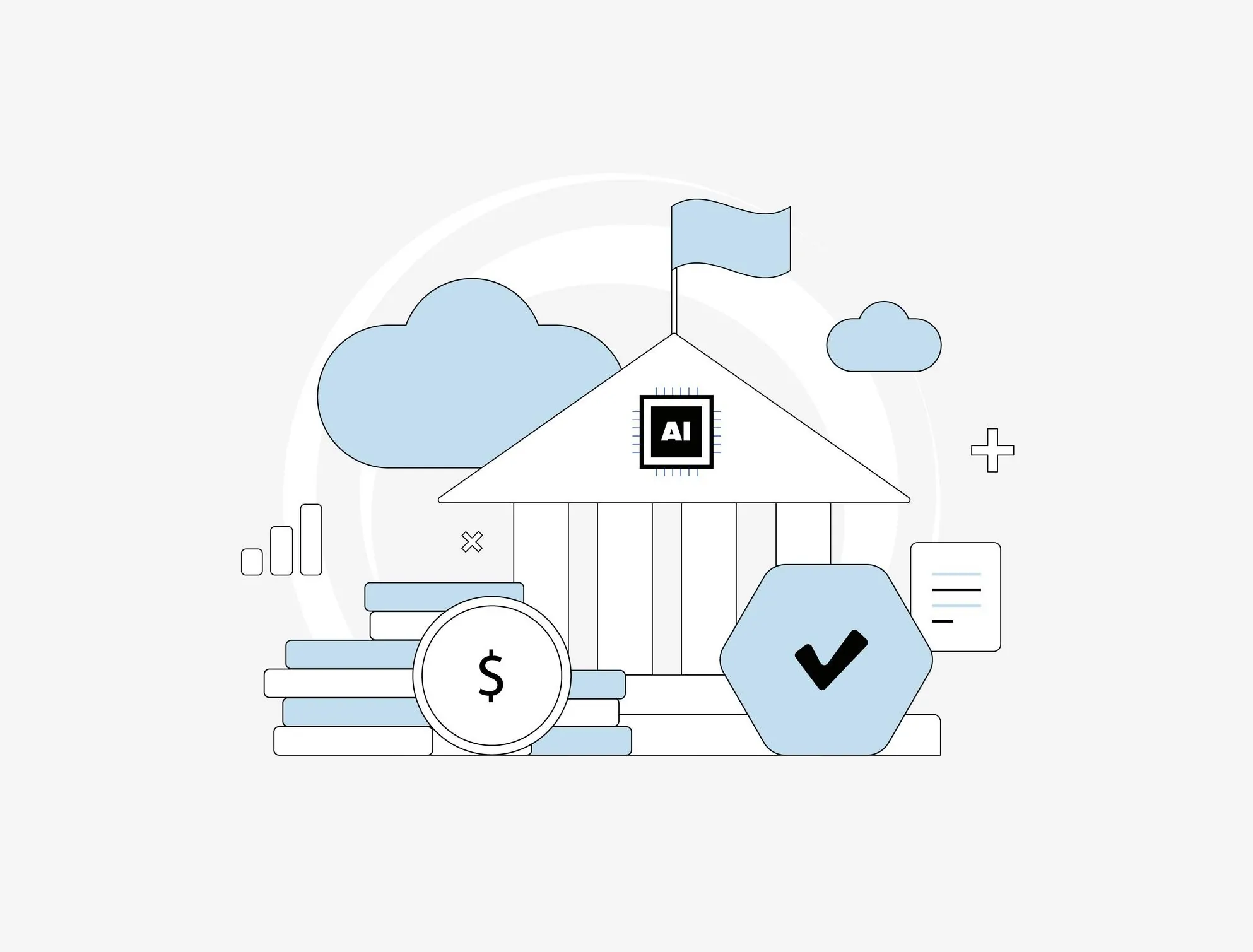
Canada is positioning itself as a leader in responsible AI governance, with frameworks like the proposed Artificial Intelligence and Data Act (AIDA) under Bill C-27.
Critical AI Risk Domains:
- Bias and discrimination in AI models
- Lack of transparency and explainability
- Data quality and model integrity risks
- Misuse of AI in decision-making systems
Governance & Framework Alignment:
- ISO/IEC 42001 (AIMS)
- NIST AI Risk Management Framework
- Model validation, auditability, and lifecycle controls
Strategic Insight:
AI Safety is emerging as a regulatory expectation and ethical obligation. Organizations must demonstrate that AI systems are fair, accountable, and transparent (FAT principles).
The Convergence: Why Integration Matters
Cybersecurity, Privacy, and AI Safety are no longer independent domains—they are deeply interconnected:
- AI systems depend on secure and high-quality data
- Privacy breaches often originate from cybersecurity failures
- AI risks amplify when governance controls are weak
Organizations must move toward a Unified Governance, Risk & Compliance (GRC) model integrating:
- Cyber risk management
- Data protection frameworks
- AI governance controls
In today’s digital economy, cybersecurity, privacy, and AI safety are no longer separate challenges—they are the foundation of organizational trust and resilience.
How Frigg Business Solutions Supports Your Canada Strategy
At Frigg Business Solutions (www.friggp2c.com), we help organizations build future-ready compliance and risk programs tailored to Canada’s evolving landscape.
Our Key Offerings:
- Cybersecurity frameworks implementation (ISO 27001, NIST)
- Privacy compliance programs aligned with PIPEDA & CPPA
- AI governance and ISO 42001 readiness
- Integrated GRC and audit support
Whether you are entering the Canadian market or strengthening your existing operations, our approach ensures compliance, resilience, and trust at scale.
Final Takeaway
Canada’s regulatory direction is clear:
Organizations that act early will not just avoid penalties—they will lead with trust, innovation, and resilience.
Secure systems. Protect data. Govern AI responsibly.
About the Authors
Amit Sarkar
Amit Sarkar (amit.sarkar@friggenix.ae) is the Founder of Frigg Business Solutions and now Friggenix Business Solution – FZCO in Dubai, UAE, in the USA, Canada, and India. He advises boards and regulators on AI governance, privacy compliance, cybercrime compliance, and executive liability under UAE and global regulations. A seasoned writer whose multiple articles have been published in HCCA and SCCE. He is a former CEO of a US Healthcare Regulatory Compliance service organization, and a senior global leader in GRC, IT Security, Privacy Compliance, Risk Management, HIPAA Compliance, SOC 2 Type II, and a Global Lead Auditor in multiple ISO standards.