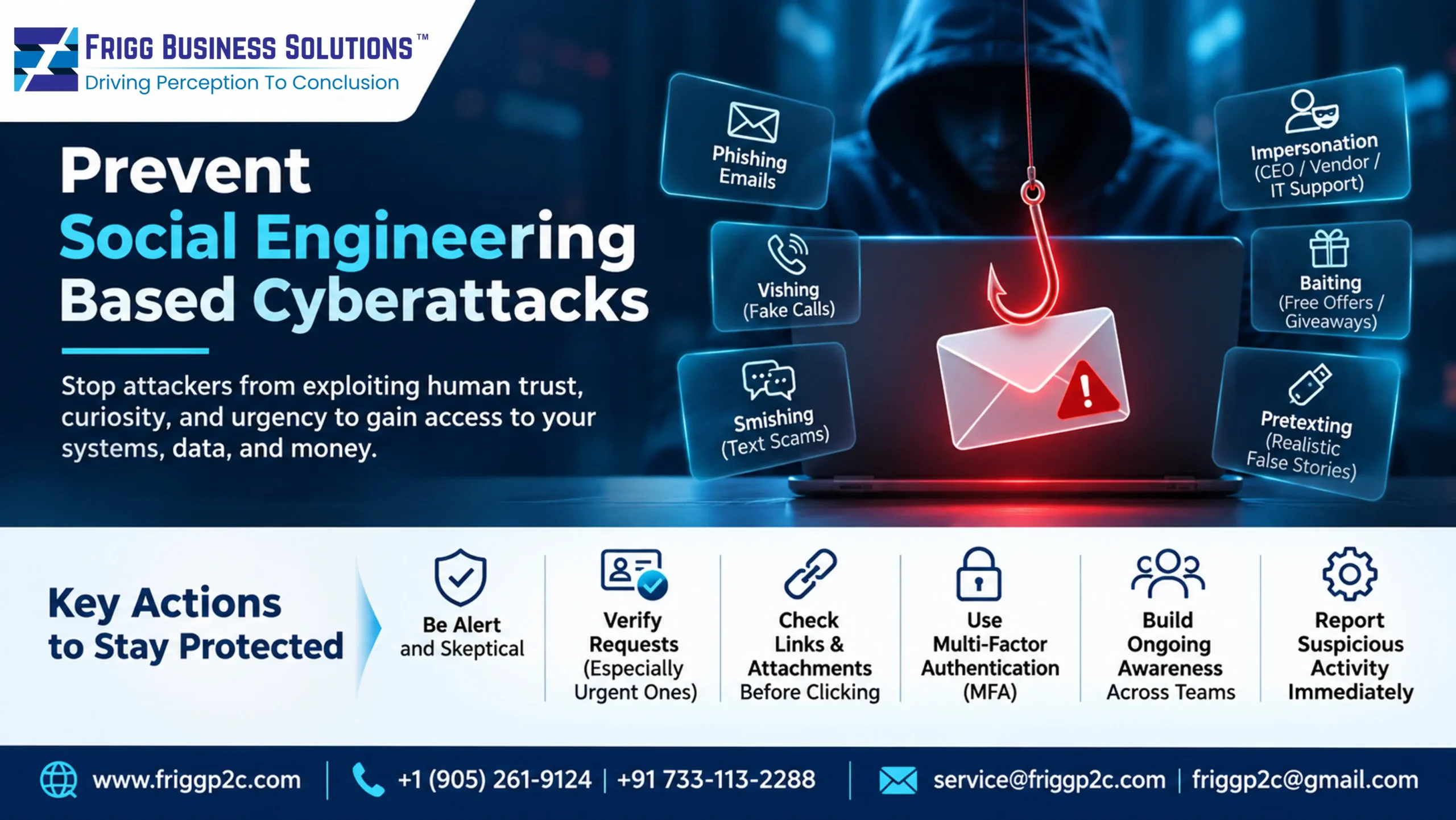
The key to preventing cyberattacks, especially those based on social engineering, lies in awareness. It is vital that individuals and organizations are aware of the risks and cybersecurity minefields that threaten your sensitive data which could cause not just monetary loss, but what could be lethal for any business ― reputational loss. Preventing cyberattacks is always the preferable option to taking mitigation measures after one has gravely disrupted workflow within your organization, or at home.
Cost Cutting Should Not Be at the Cost of Data Security
Several organizations switched to the work from home model during the Covid pandemic in 2020/21. Not all have switched back to the work from office model. Some have introduced the hybrid plan in which personnel report to office on specific days; in others they come to office as and when needed, for example during an onsite audit inspection. Some companies have continued the work from home models as it proved a cost cutting measure since quite a few overheads like electricity consumption costs and subsidized beverages and refreshments were eliminated. In all this, the measures needed to assure data security should not be overlooked. You must make all employees aware of how their actions can adversely impact the entire organization.
Impersonation Threatens Everyone at the Workplace and at Home
All social engineering depends on impersonation ― be it through phishing, vishing, smishing, or quishing. Whether the bad actor impersonates a government agency or official; a bank; a close friend or family member; or even a senior colleague or immediate boss; the intent is always the same ― steal sensitive information or your money. Therefore, the simplest thing to do is to take necessary steps to prevent anyone within the family or at the workplace (including yourself) from falling prey to the various traps set by social engineering.
Watch Out for Deceptive Communication
All social engineering tactics rely on your losing your ability to discriminate information from misinformation or disinformation when faced with a crisis. Therefore, emails, SMS, WhatsApp messages, even misleading ads depend on creating a sense of urgency in which failure to act immediately could lead to a major setback, loss of data, or access to bank accounts. Recently, there was a pop-up ad which appeared while scrolling reels or watching YouTube videos. It tells you to immediately download and install an app; failure to do so is going to make you lose access to PDFs. The language used should warn you that it is actually a social engineering cyberattack.
Be Proactive in Prevention of Cyberattacks
The most important action you should take in any organization to prevent cyberattacks is to draw up an effective set of policies and procedures (P&P). These should outline essential administrative actions like assigning access to files and sensitive information based on a need to know criterion. Typically, these should be in a least privilege hierarchy depending on the personnel’s work profile, and the jobs that they need to perform. Of course, those whose work functions overlap with others, and those in supervisory profiles need greater access. Create an effective, and enforceable cyber plan for your organization, and share it with all concerned. It is vital that people within your organization receive comprehensive training on every aspect of data security, and the various minefields which they must sidestep.
Train Your Team On the Various Aspects of Data Security
All personnel must be made aware of the essential data security issues covered by laws like Health Insurance Portability and Accountability Act 1996 (HIPAA) and its allied rules and regulations; General Data Protection Regulation (GDPR) which impacts the residents of the EU and those who conduct business there; Canada’s Personal Information Protection and Electronic Documents Act (PIPEDA); the California Consumer Privacy Act (CCPA), and the California Privacy Rights Act (CPRA) among others. Apart from training them on how to stay compliant with the provisos of these laws and regulations, be sure to warn them of probable consequences for the organizations and themselves in case of violations.
There Is No Substitute for Unrelenting Vigilance to Prevent Cyberattacks
Warn personnel and your loved ones that cyber criminals use every trick in the book — and a few outside it — to build fortunes. Therefore, you must create a strong procedural statement which tells the employees how they must safeguard data security and privacy by drawing up a cheat sheet listing dos and don’ts with regard to device usage, preventing unauthorized access, and ensuring physical security of all electronic devices. Whether it is your organization’s IT team, or the individuals working from home; you must drill it into their heads that double or multi factor authentication for personnel logging into the organization’s server prevents misuse of login credentials. Keep the computer and server network secure from external and internal threats, like cloud, endpoint, and applications’ security to protect against sabotage, or data theft.
Some Ways Data Can Get Compromised
Sharing passwords for logging into official accounts; storing sensitive information on any browser; downloading new, uncertified apps to speed up your work ― can compromise the privacy, security, and even integrity of your data. Personal email services are more susceptible to data breaches than most official ones. So, if you work from home, don’t save any official documents or presentations on a personal Google Drive or email account. You endanger data by using an unsecured broadband connection for official, or even personal communication or carrying out any monetary transactions, such as making payments for things bought online. Before you click on a suspicious link which appears to have come from a trusted source, copy paste the link on the browser of device. Even simple online protection apps will indicate whether or not it is a malicious site or carries some other threat.
Takeaway
Clear cut documentation of policies and procedures, training, and random internal audits will help keep your organization relatively safe from social engineering cyberattacks.
Not Every Message Deserves Your Trust. Verify Before You Respond.
If you need any assistance in drawing up P&P documents; training your team; or carrying out a risk assessment ― get in touch with us at service@friggp2c.com or call us at +1 (905) 261-9123 and +91 733-113-2288 (India).
Don't Let Deception Become Your Organization's Biggest Security Threat.
About the Authors
Harini is one of the principal auditors for Frigg Business Solutions. She is an accomplished information security expert who led critical security initiatives that shielded multinational corporations from cyber-attacks, thwarted data breaches, and secured critical infrastructure.
Harini has successfully implemented the Health Information Trust Alliance – (HITRUST) common security framework and ensured 100% compliance in all these organizations. She is a Certified Risk Professional (CRiSP), Information Security Lead Auditor, HITRUST Implementor, HIPAA Compliance Expert, and Certified in Six Sigma (Black belt & Green belt).